
24
Oct
Will the Water in My Basement Dry Out on Its Own?
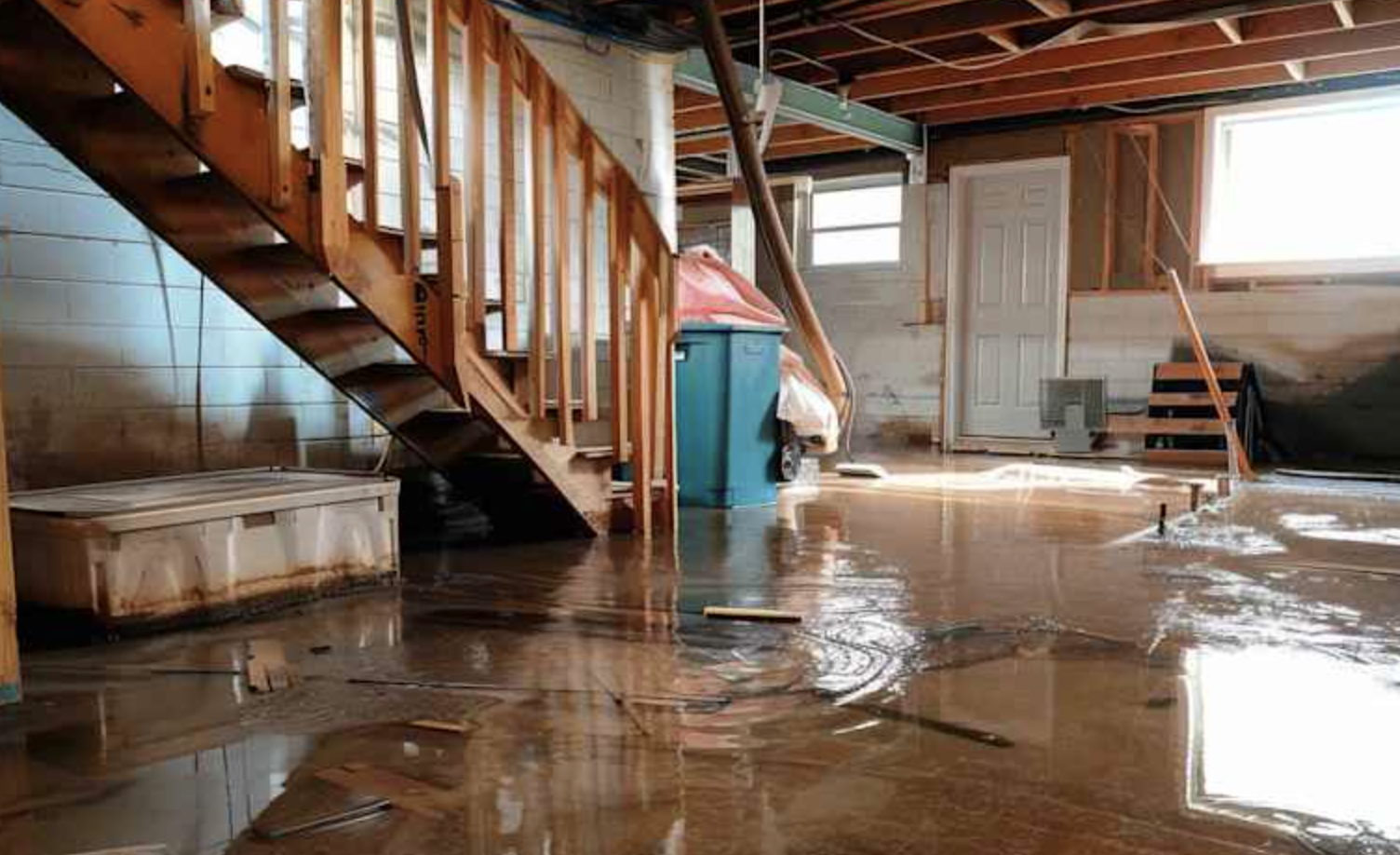
Water in a basement will not dry out on its own quickly enough to prevent serious damage—and in southeastern Wisconsin, where spring snowmelt, heavy rain events, and sump pump failures routinely send water into below-grade spaces, waiting for natural evaporation is one of the most expensive mistakes a homeowner can make. Standing water left in a basement will take weeks to evaporate naturally, and within the first 24 to 48 hours, mold can begin growing on wet drywall, wood framing, and carpet. What feels like a manageable inconvenience on day one can become a significant structural and health problem by the end of the week.
How to Tell If Water Damage Is Permanent
The key variable is time. Water damage becomes increasingly permanent the longer materials stay wet. Here is what to look for:
- Drywall: Drywall that was wet for less than 24 hours and dried completely sometimes survives without replacement, though it should be inspected for mold. Drywall that was saturated for 48 hours or more typically needs replacement—the paper facing delaminates, the gypsum core weakens, and it becomes a mold substrate that cannot be reliably cleaned.
- Wood framing: Structural wood that dries completely within a few days and shows no mold growth may be retained. Wood that shows staining, cupping, or mold growth is typically remediated or replaced.
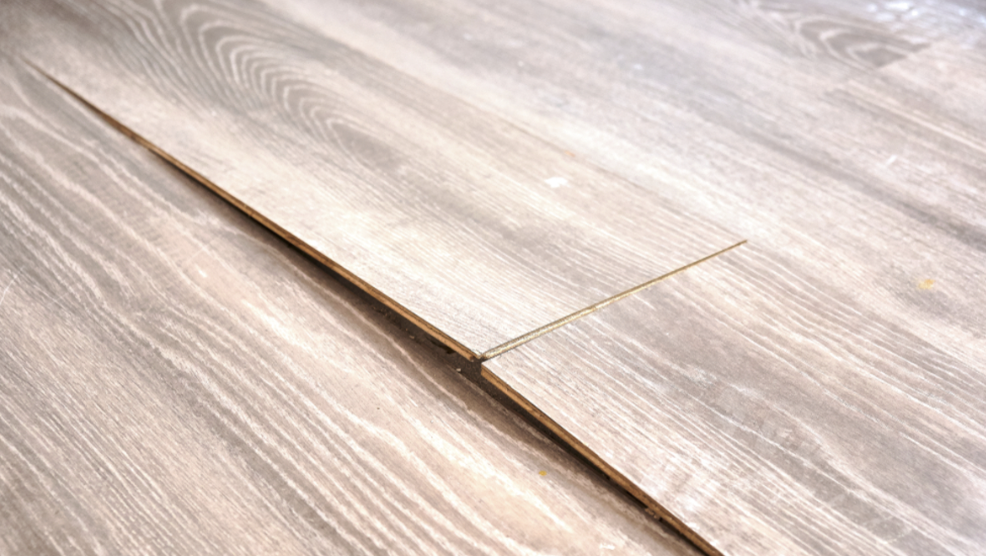
- Flooring: Carpet is almost always a loss after any significant flooding because it retains moisture in the padding beneath it. Vinyl and tile can often survive if the subfloor beneath them dried properly. Hardwood buckles and may or may not recover (see our separate hardwood floors guide).
- Concrete block and poured concrete walls: Concrete itself does not absorb water the way porous materials do, but efflorescence, spalling, and mortar joint damage can indicate ongoing moisture intrusion that won’t resolve without addressing the source.
How Long Does It Take for Water Damage to Dry?
Under professional drying conditions—industrial dehumidifiers, high-velocity air movers, and moisture monitoring—a flooded basement in southeastern Wisconsin typically takes 3 to 5 days to reach acceptable dryness levels. Without professional equipment, that timeline extends to weeks, if it happens at all. Wisconsin’s humid summers work against natural drying: when outdoor relative humidity is 70% or higher (common from June through August), opening windows and running a household dehumidifier does little to reduce moisture in saturated building materials.
The drying timeline also depends on what materials are present. A poured concrete basement with no finished walls or flooring dries much faster than a finished basement with drywall, insulation, carpet, and wood trim. Finished basements in Waukesha County, Racine County, and the greater Milwaukee metro area are extremely common, which means full structural drying often requires accessing the wall cavity by removing drywall—a step that is cheaper and less disruptive when done proactively during drying than after mold has grown behind the wall.
Will Drywall Dry Out After a Leak?
Drywall can dry out, but whether it should be dried in place or replaced depends on how wet it got and for how long. A small ceiling drip that affected a single section and was addressed within hours may be candidates for drying in place with careful monitoring. A basement wall that was submerged or saturated for more than 24 hours is almost always more appropriately replaced. The decision also involves what is behind the drywall: insulation that absorbed water is a near-certain mold risk and is typically removed regardless of whether the drywall is retained.
A common and costly mistake in Wisconsin is drywalling over a moisture problem. Homeowners who patch visible water-stained drywall without addressing the underlying moisture source and drying the wall cavity properly often discover mold behind their new drywall within one to two seasons.
How Long Does a Ceiling Leak Take to Dry?
A ceiling affected by a slow drip from a plumbing leak above typically takes 1 to 2 weeks to dry completely at the surface, but the materials above the ceiling—insulation, subfloor, joists—may remain wet significantly longer. A ceiling affected by a burst pipe or major water event may not dry safely without professional intervention. The key risk with ceiling leaks is that the visible water stain represents only a fraction of the moisture that has actually traveled through the assembly: water follows gravity and wicks horizontally along framing and insulation, meaning the wet area is almost always larger than it appears.
How Do I Dry Out My Walls After a Water Leak?
Drying walls after a water leak requires addressing the moisture inside the wall cavity, not just the surface. Professional approaches include:
- Drilling small holes at the base of drywall sections to inject warm, dry air into the wall cavity—a technique called “injecti-dry” that can sometimes avoid full drywall removal
- Removing baseboard trim to allow air movement at the floor line where moisture pools
- Placing dehumidifiers and air movers in a specific configuration designed to maximize moisture extraction from the wall assembly
- Monitoring wall cavity moisture with a probe-style meter to confirm drying to acceptable levels before closing up
Consumer dehumidifiers running in the room do help, but they address ambient air moisture rather than material moisture. Getting moisture readings in the wall itself requires a moisture meter—not guesswork.
Do I Need to Replace the Ceiling After a Water Leak?
Not always, but more often than homeowners hope. The practical test is: once the leak source is repaired and the assembly has been professionally dried, does the material show mold, structural compromise, or permanent staining that cannot be painted over effectively? If yes, replacement is typically the right call. Painting over a water stain without first addressing the moisture and potential mold behind it is a cosmetic fix that covers a problem rather than resolving it—and mold behind painted drywall continues to grow.
How Long After a Water Leak Does Mold Grow?
Mold can establish on wet building materials in as little as 24 to 48 hours when temperature, moisture, and organic material are all present. In Wisconsin basements during summer, all three conditions are typically satisfied: temperatures are warm enough, wet drywall and wood provide organic material, and the humidity is high. The IICRC S500 standard for water damage response treats the 24-to-48-hour window as the outer limit for beginning professional drying before mold risk becomes significant.
Does Wet Drywall Always Mold?
Not always—but the probability is high enough that wet drywall should always be treated as a mold risk. Drywall that dries completely within 24 to 48 hours and shows no visible mold or musty odor may survive without mold growth. Drywall that stays wet beyond that window, or that was wet more than once, has a high likelihood of harboring mold in the paper facing or the wall cavity behind it even if the surface looks clean. Professional assessment with moisture meters and, where indicated, air sampling provides a more reliable answer than visual inspection.
Frequently Asked Questions
Can I just run a fan and dehumidifier in my flooded Wisconsin basement?
Consumer-grade fans and dehumidifiers are helpful but not sufficient for a significant basement flooding event. A typical household dehumidifier removes 30 to 70 pints of moisture per day. Professional equipment removes several hundred pints per day and can be positioned to target specific materials and wall cavities. For minor water intrusion affecting a small area, consumer equipment may be adequate. For any event involving standing water, saturated walls, or water that reached insulation or finished materials, professional drying equipment significantly reduces mold risk and total restoration cost.
How can I tell if there is mold growing in my basement walls?
Signs of mold in basement walls include musty odor that does not go away after the visible moisture is resolved, visible dark spotting at the base of walls or around window wells, bubbling or peeling paint on drywall or block walls, and unexplained respiratory symptoms in household members that improve when they leave the house. A professional mold inspection with air sampling provides a definitive answer. If your basement flooded and professional drying was not performed within 48 hours, mold assessment is a reasonable precaution even if you don’t see visible signs.
Will my Wisconsin homeowners insurance cover a flooded basement?
Coverage depends on the source of the water. Sudden and accidental internal water sources (burst pipe, failed sump pump—if you carry sump pump backup coverage, which is a separate endorsement) are typically covered. Water that enters from outside through the foundation, window wells, or surface drainage is typically not covered by standard homeowners policies and requires separate flood insurance. Wisconsin homeowners in flood-prone areas or communities near rivers and waterways should review NFIP coverage options before spring flood season.
What is the first call I should make when I discover a flooded basement?
If the water source is still active, shut off the main water supply first (if it is an internal source) or address the entry point if possible. Then call a water damage restoration company—24-hour emergency response is the standard for this type of damage because every hour of delay increases both the damage and the mold risk. Then call your insurance company to open a claim. Having a restoration company already onsite when the adjuster arrives helps document the scope of damage before any work begins.
Flooded Basement in Southeast Wisconsin? Don’t Wait
911 Restoration of Southeast Wisconsin provides 24/7 emergency water damage response across the region, with professional drying equipment, IICRC-certified technicians, and full documentation support for insurance claims. The sooner drying begins, the better your outcome. Visit our water damage restoration page or call us now for immediate assistance.
Latest Posts


Contact Us
For Advice
Need help? Talk to an expert
(843) 872-9135