24
Oct
What Is Salvageable After a House Fire? Wisconsin Homeowner’s Guide
After a house fire, a significant portion of your belongings can often be salvaged—but which items are restorable depends on the type of fire, how long smoke exposure lasted, and how quickly restoration begins. Clothing, hard-surface items, furniture, electronics, and documents can frequently be cleaned or restored by professionals. Anything that was directly in the flames, structurally compromised, or contaminated with hazardous materials is generally not salvageable. In southeastern Wisconsin, where house fires occur year-round but spike in winter months due to heating equipment and holiday lighting, knowing what to save—and what to let go of—can significantly affect your recovery and your insurance claim.
What Not to Do After a House Fire
Before sorting through what is and isn’t salvageable, there are several things you should not do in the immediate aftermath of a fire:
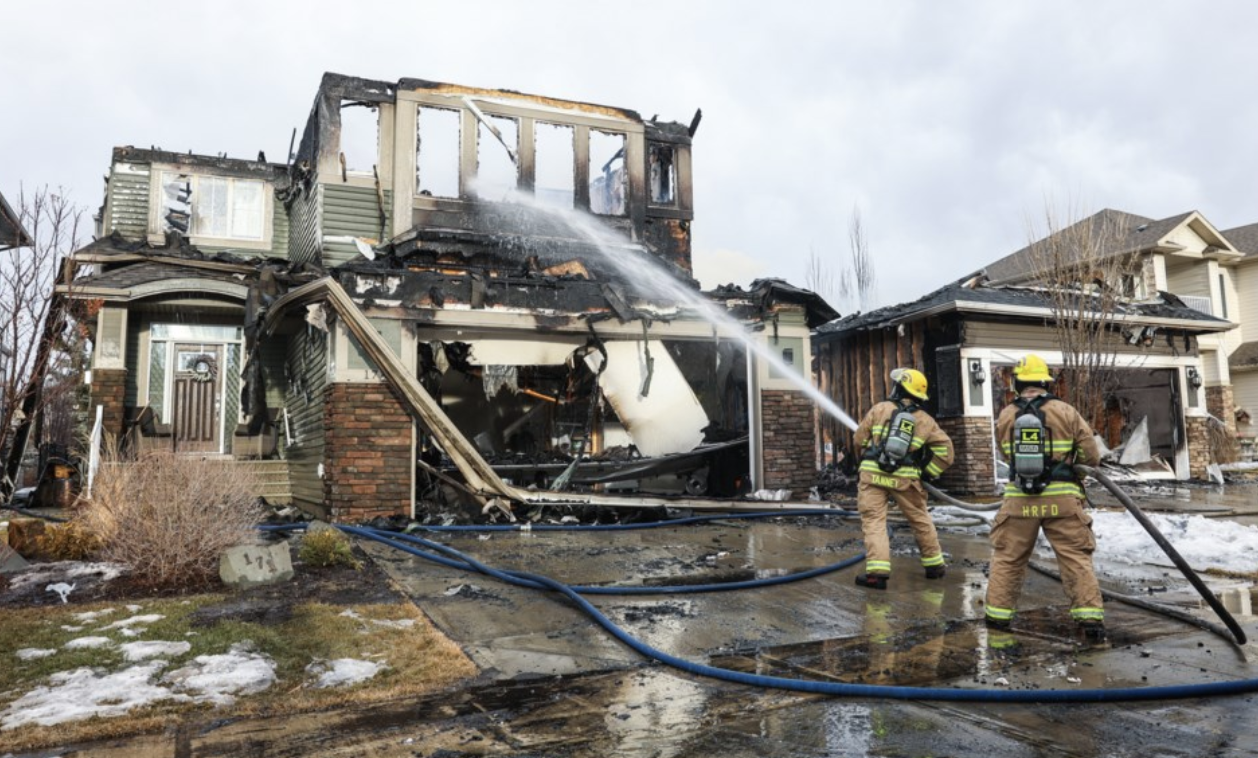
- Do not enter the structure until fire authorities have cleared it. A house that has experienced even a contained fire can have compromised structural elements, active smoldering areas, and dangerous air quality. Wisconsin winters add another risk—fire suppression water can freeze on flooring and stairs within hours.
- Do not use electrical outlets or appliances. Water from suppression efforts may have entered electrical systems. Do not turn on power until an electrician has inspected the panel and wiring.
- Do not attempt to clean soot yourself. Dry soot is a carbon particle that smears when rubbed with a wet cloth, embedding deeper into surfaces. Improper cleaning can make items unrestorable that would otherwise have been salvageable.
- Do not run HVAC systems. Running forced air through a fire-damaged home distributes soot and smoke odor through ductwork, contaminating areas that were not directly affected.
- Do not throw things away prematurely. Insurance adjusters and restoration professionals need to document the damage. Discarding items before an adjuster can assess them can affect your claim.
What Can Be Cleaned After a House Fire?
More than most homeowners expect. Professional fire restoration includes specialized cleaning processes for a wide range of materials:
Hard surfaces: Countertops, tile, glass, metal fixtures, and sealed wood surfaces can typically be cleaned of smoke residue and soot with the right chemical agents. Protein-based smoke residue (from kitchen fires involving grease or food) requires different chemistry than dry cellulose smoke from paper or structural wood, which is why professional assessment of the fire type matters.
Soft goods and textiles: Clothing, bedding, drapes, and upholstered furniture that were not directly burned can often be restored through professional textile cleaning and ozone or thermal fogging treatments for odor. Restoration companies working with Wisconsin homeowners after fires routinely recover clothing items that appear unwearable due to smoke odor.
Documents and photographs: Paper documents exposed to smoke can frequently be stabilized, dried, and cleaned. Photographs are more delicate but can sometimes be digitized even when the original is damaged. Fire-damaged financial and legal documents should be documented thoroughly for insurance purposes before any cleaning attempt.
Electronics: Electronics that were not submerged in water and were not directly in the fire can sometimes be cleaned and tested. Soot that enters electronics through vents can cause corrosion—professional electronics cleaning involves ultrasonic cleaning of circuit boards and internal components, not just wiping down the exterior.
Furniture: Solid wood furniture that was not charred and was not extensively smoke-saturated can be cleaned and restored. Upholstered pieces depend on the depth of smoke penetration and fabric type.
Do You Have to Throw Everything Away After a House Fire?
No—and a professional restoration company will help you distinguish what is restorable from what is not before anything is discarded. Wholesale disposal of fire-damaged contents is a common and costly mistake. In Wisconsin insurance claims, contents that could have been cleaned and restored are sometimes thrown away by overwhelmed homeowners, and that loss is then undervalued or underpaid by insurance because the items were not properly documented or given a restoration opportunity.
An inventory of all damaged items—photographed and documented with approximate replacement values—is an essential step before any contents are moved, cleaned, or disposed of. Your restoration contractor can assist with this documentation.
Is It Safe to Wear Clothes After a House Fire?
Clothing that was in a smoke-exposed area but not directly burned may be wearable after professional cleaning, but it should not be worn before that process. Smoke residue contains combustion byproducts including carbon particles, volatile organic compounds, and in some fires, toxic residue from synthetic materials. Wearing smoke-contaminated clothing before cleaning means carrying those particles against your skin and inhaling them throughout the day.
Professional textile restoration companies use specialized washing processes, ozone chambers, and deodorization treatments that can make smoke-contaminated clothing safe to wear again. Whether a specific garment is worth that investment depends on the item’s value and the extent of contamination.
How to Clean Up After a Kitchen Fire
Kitchen fires deserve special mention because they are among the most common fire calls in Wisconsin homes and produce a particularly stubborn type of smoke residue. Grease and protein fires produce a sticky, yellowish film that adheres tightly to surfaces and is extremely difficult to remove with standard household cleaners. The smell from a kitchen fire can persist for months if treated incorrectly.
Kitchen fire cleanup steps:
- Ventilate the space thoroughly once it is safe to enter
- Do not use water on grease-based residue—it spreads the contamination
- Professional-grade degreasers and protein smoke-specific cleaning agents are required for effective residue removal
- Cabinet interiors, appliance surfaces, and HVAC vents near the kitchen need specific attention
- Thermal fogging or ozone treatment may be necessary for complete odor removal
What Do People Need Immediately After a House Fire?
Beyond the physical contents of the home, Wisconsin homeowners in the immediate aftermath of a fire typically need:
- Temporary housing: If the home is uninhabitable, your homeowners insurance typically covers additional living expenses (ALE) while restoration is underway. Document these costs from day one.
- Clothing and personal items: If you could not retrieve essentials, insurance ALE coverage typically applies to emergency clothing and personal care items.
- Access to documents: Contact your insurance company immediately. If physical documents were lost, your agent can work from digital records. Keep a digital record of all documents going forward.
- Board-up and tarping: If the fire created openings in the structure, emergency board-up prevents weather intrusion and vandalism. In Wisconsin winters, an open structure can sustain freezing pipe damage within 24 hours.
- A single point of contact for restoration: Working with one restoration company that handles both structural and content recovery simplifies the coordination with your insurance adjuster significantly.
What Is “Mopping Up” After a Fire?
In fire restoration, “mopping up” refers to the process of extinguishing all remaining hot spots and smoldering materials after the main fire is out—a step that fire departments perform before turning a structure over to homeowners or restoration crews. This is not the same as cleaning up. Until the fire department confirms that a structure has been fully mopped up and cleared, no one should enter it. Smoldering materials can reignite hours after the visible fire is extinguished, and the carbon monoxide levels in a structure with active hot spots can be immediately dangerous.
Frequently Asked Questions
What should I do in the first 24 hours after a house fire in Wisconsin?
Contact your insurance company and file a claim as soon as possible—delays can complicate the process. Arrange temporary housing if needed. Do not re-enter the home until cleared by the fire department. Once cleared, document everything you can see from a safe vantage point with photographs. Contact a fire restoration company for emergency board-up, tarping, and a damage assessment. Do not dispose of any contents before they have been documented and assessed.
How do restoration companies decide what is salvageable vs. what to replace?
Trained restoration technicians assess items based on the type and extent of damage, the cost of cleaning relative to replacement value, and the health implications of residual contamination. Porous items with heavy smoke saturation that cannot be fully deodorized are typically recommended for replacement. Structural materials like drywall, insulation, and flooring that absorbed smoke or sustained heat damage beyond cleaning thresholds are also replaced. Your insurance adjuster participates in this assessment as part of the claims process.
Can items from a fire-damaged home make you sick?
Yes, if handled before proper cleaning. Soot particles are fine enough to be inhaled and can cause respiratory irritation. Some fires produce toxic residue depending on what burned—synthetic materials, treated wood, and household chemicals all contribute combustion byproducts that require care to handle. Professionals working in fire-damaged environments use respiratory protection and follow containment protocols. Homeowners should limit time in smoke-damaged spaces and avoid handling heavily contaminated materials without protective gear.
Does Wisconsin homeowners insurance cover fire damage to contents?
Standard Wisconsin homeowners insurance policies cover fire damage to both the structure (dwelling coverage) and personal property (contents coverage) when the fire is accidental. High-value items like jewelry, electronics, artwork, and collectibles may have coverage sub-limits that require separate scheduled coverage to be fully protected. Review your policy’s personal property coverage limits and sub-limits before a loss event to understand what would and would not be covered.
Fire Damage in Southeast Wisconsin? We Can Help
911 Restoration of Southeast Wisconsin provides emergency fire and smoke damage restoration across the region, from contents cleaning and odor elimination to structural restoration and insurance documentation support. Our certified technicians respond 24/7 to help Wisconsin families recover quickly after a fire. Visit our fire and smoke damage restoration page to learn more or contact us for an immediate response.
Latest Posts


Contact Us
For Advice
Need help? Talk to an expert
(843) 872-9135