24
Oct
Will Buckled Hardwood Floors Go Back to Normal After Water Damage in Wisconsin?
Buckled hardwood floors will sometimes flatten back out on their own after drying, but whether that happens—and how long it takes—depends on how much water soaked in, how quickly drying began, and how long the wood stayed wet. In southeastern Wisconsin, where spring snowmelt, basement flooding, and sump pump failures routinely affect homes in communities from Waukesha to Racine, buckled and cupped hardwood is one of the most common calls we receive after a water event. The faster you act, the better the odds of saving the floor.
What Happens to Hardwood When It Gets Wet
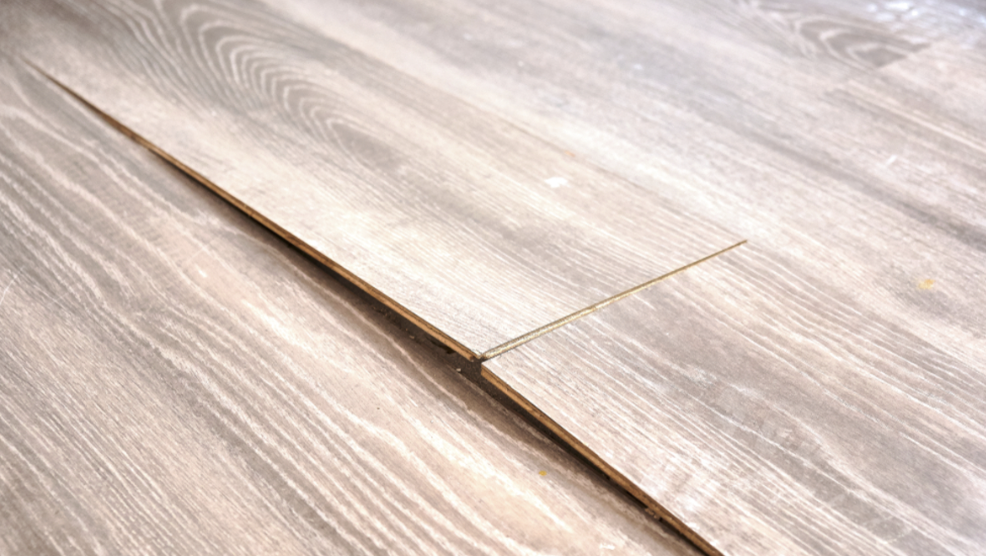
Hardwood floors buckle and cup because wood absorbs moisture and expands. When the top surface of a board absorbs water faster than the bottom, the edges curl upward—that’s cupping. When the boards swell so much they push against each other and lift away from the subfloor, that’s buckling. In Wisconsin’s climate, both are common: a sump pump failure during a late-April rainstorm can send several inches of water across a finished hardwood floor within hours, and the expansion that results can be dramatic.
The good news is that wood is reversible—to a point. If the wood dries completely and evenly, cupped boards often do flatten out, sometimes enough to sand and refinish without replacement. The bad news is that the window for that outcome is narrow. Water that sits in wood for more than 24 to 48 hours begins to cause permanent cell damage, and the longer it stays, the more likely warping becomes permanent and mold sets in underneath.
What Should I Do If My Hardwood Floors Get Wet?
The most important step is removing the source of water and beginning drying immediately—not after the weekend, not after you’ve moved furniture out one piece at a time. Every hour of contact time matters. Here is what to do in order:
- Stop the water source (shut off the supply valve, address the sump, seal the entry point)
- Remove standing water with a wet/dry vacuum or pump—do not use a standard household mop, which spreads water rather than removes it
- Move furniture off the floor and pull up area rugs, which trap moisture underneath
- Do not turn on forced-air heat to “dry it faster”—rapid surface drying while the subfloor is still wet increases the risk of permanent cupping
- Call a water damage professional for equipment-based drying—industrial dehumidifiers and air movers dry wood assemblies from the inside out in a way that consumer equipment cannot
How Long Does It Take for a Hardwood Floor to Dry After a Water Leak?
A properly dried hardwood floor—using professional-grade drying equipment and moisture monitoring—typically takes 3 to 7 days to reach acceptable moisture content. That timeline extends in Wisconsin during the humid summer months when outdoor air carries significant moisture that slows the drying gradient. An IICRC-certified technician will monitor moisture readings in both the surface wood and the subfloor assembly throughout the drying process rather than guessing by touch or appearance.
What homeowners often do wrong is assume the floor is dry because it looks dry. Hardwood flooring can appear dry at the surface while still holding elevated moisture content in the wood fibers and the subfloor beneath—and it is that residual moisture that leads to mold growth and continued warping in the weeks after a flood.
Will Cupped Hardwood Floors Flatten Out?
Cupping can reverse, but it requires complete, controlled drying and time. In mild cases where the water exposure was brief, boards may flatten significantly within 4 to 8 weeks of thorough drying. In more severe cases—or where drying was delayed—cupping can become permanent, particularly if the wood fibers experienced “compression set,” a condition where the fibers were so compressed during swelling that they do not fully return to their original shape when dry.
Wisconsin’s seasonal humidity swings also affect this. Hardwood floors in homes without humidity control can experience ongoing movement through summer (expansion) and winter (contraction) that makes it difficult to distinguish temporary cupping from permanent damage. A professional assessment with calibrated moisture meters provides a more reliable answer than visual inspection alone.
Can Hardwood Floors Be Repaired After Water Damage?
Yes, in many cases—but the range of repair options depends on the severity and timing of the damage:
- Sanding and refinishing: If the boards have dried flat (or close to flat), sanding can remove surface staining, scratches, and minor cupping. This is the least invasive repair and preserves the existing floor.
- Board replacement: Individual boards or sections that did not flatten, have developed mold, or show structural damage can be replaced and blended into the existing floor. This is common when damage is concentrated in one area.
- Full replacement: Floors that buckled severely, were wet for extended periods, or show widespread mold contamination are typically more cost-effective to replace than repair. Mold in the subfloor beneath the hardwood may also require remediation before new flooring is installed.
Does Homeowners Insurance Cover Water Damage to Hardwood Floors?
Whether your Wisconsin homeowners insurance covers water-damaged hardwood floors depends on the cause of the water event. Sudden and accidental water damage—a burst pipe, an appliance failure, an overflowing dishwasher—is typically covered. Gradual leaks, seepage through the foundation, and flooding from external sources (groundwater, surface water, backed-up storm sewers) are generally not covered under standard homeowners policies. Flood insurance through the National Flood Insurance Program covers flood-origin damage, but it must be purchased separately.
Wisconsin homeowners in communities near the Fox River, Root River, or in areas with known flooding history should review their coverage before the spring thaw season. Your restoration contractor can provide documentation supporting your claim, but coverage is determined by the policy, not by the damage itself.
How Much Does It Cost to Repair a Water-Damaged Hardwood Floor?
In southeastern Wisconsin, sanding and refinishing a water-damaged hardwood floor typically runs $3 to $8 per square foot depending on the condition and number of coats. Board replacement averages $8 to $15 per square foot installed. Full replacement of solid hardwood can range from $10 to $20 or more per square foot for material and labor. These ranges do not include the cost of drying, subfloor repair, or mold remediation if required—which is why early intervention almost always results in lower total costs than waiting to see what happens.
Frequently Asked Questions
How can I tell if my buckled hardwood floor damage is permanent?
A professional moisture assessment is the most reliable indicator. Once the floor has been fully dried (typically confirmed by moisture readings returning to normal for your region and season), a flooring inspector can evaluate whether the boards have returned to acceptable flatness or show signs of permanent compression set, delamination, or structural failure. Boards that remain visibly warped after thorough drying, or that sound hollow when tapped (indicating subfloor separation), are unlikely to improve further without repair or replacement.
Can I use fans and a dehumidifier from the hardware store to dry my hardwood floors?
Consumer-grade fans and dehumidifiers can help move surface moisture, but they are not designed to dry wood assemblies to the depth required to prevent mold growth. Professional drying equipment operates at significantly higher capacity and can be configured to dry from beneath the floor when necessary. For a minor spill that was cleaned up immediately, consumer equipment may be sufficient. For any flooding event that covered a significant area or sat for more than a few hours, professional drying equipment is the standard recommended by IICRC S500 guidelines.
Should I walk on buckled hardwood floors while they dry?
Minimize foot traffic on buckled floors during drying. Walking on cupped or buckled boards can crack the finish, cause additional separation, and in severe cases break boards that have been weakened by water absorption. If the area is a high-traffic zone, route people around it during the drying period.
How long after a water event can mold grow under hardwood floors?
Mold can begin colonizing wet building materials—including wood subfloors—within 24 to 48 hours under favorable conditions. Southeastern Wisconsin’s warm, humid summers accelerate this timeline. This is why the 24-to-48-hour window for beginning professional drying is a genuine deadline rather than a guideline. A floor that looks salvageable on day one may have active mold growth beneath it by day three if drying has not begun.
Water Damage to Your Hardwood Floors in Southeast Wisconsin?
911 Restoration of Southeast Wisconsin responds to water damage emergencies across the region, including hardwood floor drying, structural drying, and mold prevention after flooding. Our IICRC-certified technicians use professional equipment to dry floors from the inside out and monitor moisture levels throughout the process. See our water damage restoration page or call for 24/7 emergency response.
Latest Posts


Contact Us
For Advice
Need help? Talk to an expert
(843) 872-9135